The Hidden Costs of Funding Arbitrage
Funding rate arbitrage appears on paper as a risk-free yield stream, but the strategy is constrained by several mechanical realities that erode returns. The core mechanic relies on maintaining a delta-neutral position: holding a long spot asset while shorting the corresponding futures contract. While this hedges price exposure, it exposes the trader to funding rate volatility, exchange fees, and liquidation risks that are not immediately obvious.
The most significant constraint is the funding rate itself. Rates are periodic payments exchanged between long and short traders, determined by the premium of the futures contract over the spot price. In bullish markets, longs pay shorts; in bearish markets, shorts pay longs. A funding arb strategy only profits when the rate is favorable to your short position. If the market shifts or rates compress, the yield can vanish or turn negative, requiring active management to avoid paying into a trade.
Exchange fees and slippage also create a friction layer. Each rebalancing event, whether to adjust leverage or roll futures contracts, incurs trading fees. On high-frequency rebalancing schedules, these costs can exceed the funding yield, turning a profitable arb into a net loss. Additionally, the required margin for the short futures position ties up capital that could be deployed elsewhere. If the exchange raises margin requirements during high volatility, you may face forced liquidation or need to add capital quickly to maintain the hedge.
Finally, smart contract and platform risks remain. While the market risk is hedged, the operational risk is not. A bug in the exchange’s funding calculation, a temporary halt in withdrawals, or a liquidity crunch can trap capital. The strategy requires constant monitoring of on-chain data and exchange status, making it less "set and forget" than the marketing materials suggest. Success depends on selecting the right venues and managing these constraints with precision.
Funding arb choices that change the plan
Funding rate arbitrage is not risk-free yield. It is a delta-neutral strategy that captures periodic funding payments by holding offsetting positions on spot and perpetual futures. While the math suggests steady income, the execution introduces specific frictions that eat into margins.
You must evaluate these tradeoffs before deploying capital. The best approach depends on your infrastructure, capital size, and tolerance for operational complexity.
Exchange risk and basis drift
Spot and futures prices rarely match perfectly. The basis—the difference between the two—can widen unexpectedly during volatility. If the basis moves against you faster than the funding payment accumulates, you face unrealized losses. This risk is highest on lower-liquidity exchanges or during market stress.
Execution costs and fees
Funding payments are periodic, but trading is constant. You pay opening and closing fees on both legs. If the annualized funding rate is low, trading fees can turn a profitable setup into a loss. High-frequency rebalancing to maintain delta neutrality also increases fee drag.
Operational complexity
Managing two positions across spot and futures requires precise monitoring. Liquidation on the futures leg can wipe out the hedge if not managed correctly. You need reliable data feeds and automated tools to adjust leverage and collateral in real time.
Comparison: Funding arb vs. other yield strategies
| Feature | Funding Arbitrage | Staking | Yield Farming |
|---|---|---|---|
| Risk Profile | Low-Medium (Operational) | Low | High |
| Capital Efficiency | High (Leverage) | Low | Medium |
| Complexity | High (2 legs) | Low | Medium |
| Return Potential | 5-20% APY | 3-8% APY | 10-100%+ APY |
| Liquidation Risk | Yes | No | Yes |
Decision guide
Choose funding arbitrage if you have technical infrastructure and can manage operational risk. It suits traders who can monitor basis drift and execute quickly. For passive investors, staking or yield farming may be more appropriate despite higher or lower risks respectively.
| Feature | Funding Arb | Staking | Yield Farming |
|---|---|---|---|
| Risk Profile | Low-Medium (Operational) | Low | High |
| Capital Efficiency | High (Leverage) | Low | Medium |
| Complexity | High (2 legs) | Low | Medium |
| Return Potential | 5-20% APY | 3-8% APY | 10-100%+ APY |
| Liquidation Risk | Yes | No | Yes |
Choosing the Right Funding Arb Setup
Funding rate arbitrage isn't a single product you buy; it's a workflow you build. Your setup depends on three variables: the capital you have, the tools you trust, and the risk you can absorb. Below is a practical framework to help you pick the right infrastructure and strategy for your situation.
Start by determining your total available capital and how much volatility you can handle. Funding arb is delta-neutral, but you still face exchange risk, smart contract risk, and liquidation risk if leverage is mismanaged. Small accounts ($1k-$5k) should stick to spot-funding arb on major exchanges with low fees. Larger accounts ($50k+) can explore cross-exchange arb or basis trading, but only if you have the infrastructure to manage multiple positions.
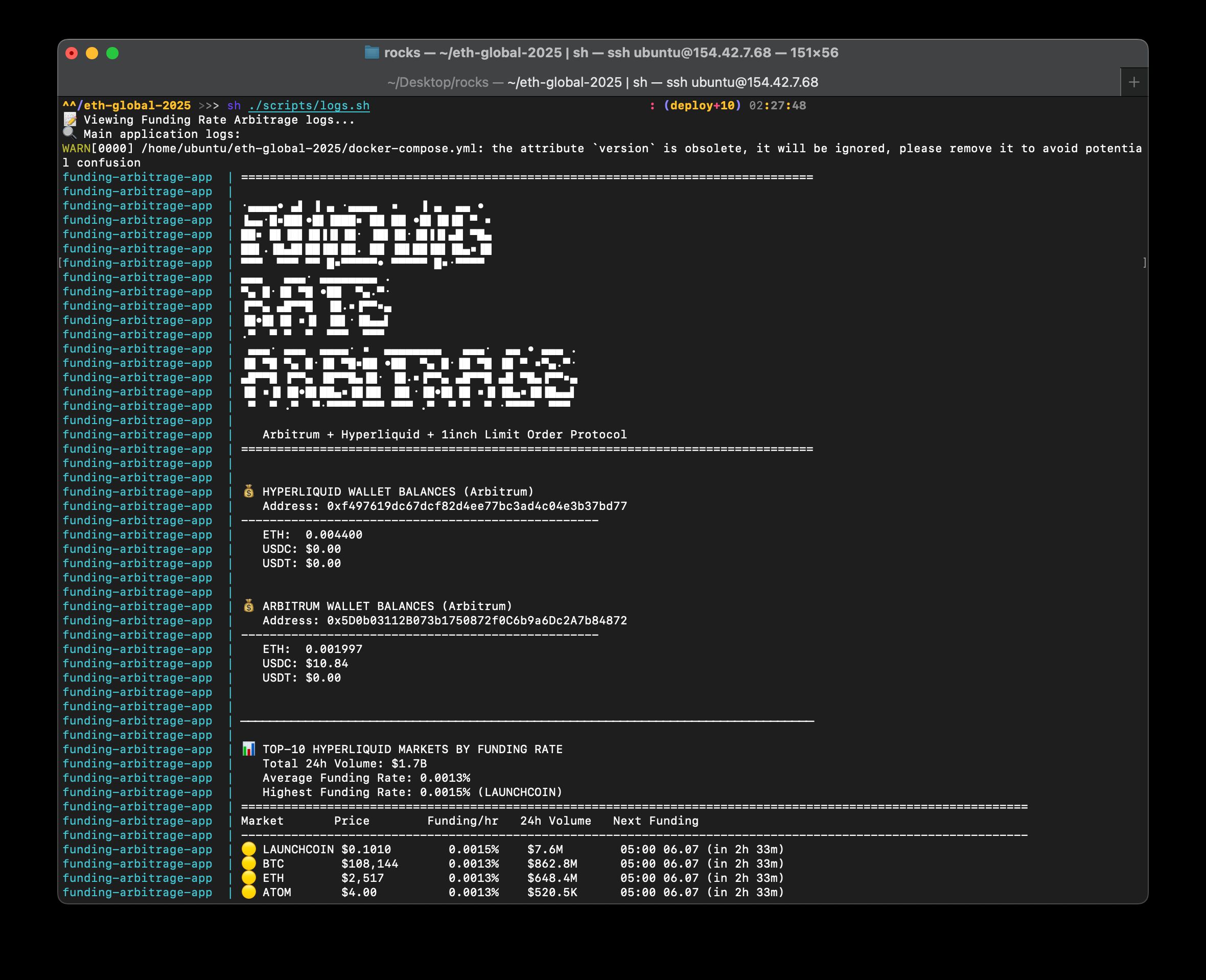
Your tool stack dictates your edge. For manual traders, a reliable data aggregator like Amberdata or Coinglass is essential to track funding rates across exchanges. For automated strategies, you need a bot framework (like Hummingbot or a custom Python script) that can execute trades faster than manual clicks. Choose tools that offer real-time API access and robust error handling. Don't rely on delayed data; by the time you see a high funding rate, the opportunity may have vanished.
The core mechanic is simple: go long on the spot market and short the perpetual futures contract (or vice versa) for the same asset. The goal is to capture the funding payment while the price difference (basis) remains neutral. Use limit orders to enter positions to minimize slippage. Set strict stop-losses on the futures leg to protect against extreme market moves that could trigger liquidation, even in a delta-neutral setup.
Funding rates change every 8 hours on most exchanges. You must monitor your positions to ensure the funding rate remains favorable. If the rate turns negative, your long position may start paying out instead of receiving. Rebalance your hedge ratio if the price action becomes skewed. Regularly withdraw accumulated funding payments to compound your returns or cover operational costs.


As an Amazon Associate, we may earn from qualifying purchases.
| Strategy | Capital Required | Complexity | Primary Risk |
|---|---|---|---|
| Spot-Funding Arb | Low ($1k-$5k) | Low | Exchange counterparty |
| Cross-Exchange Arb | Medium ($10k-$50k) | High | Transfer delays |
| Basis Trading | High ($50k+) | Medium | Liquidation |
The right choice depends on your goals. If you're new, start with spot-funding arb on a single, reputable exchange. It's the simplest way to learn the mechanics without the headaches of cross-exchange transfers. As you gain experience and capital, you can move to more complex strategies like basis trading or automated cross-exchange arbitrage. Always prioritize security and data accuracy over speed.
Spotting Weak Funding Arbitrage Options
Many guides promote funding rate arbitrage as a risk-free yield source, but the reality involves significant infrastructure and execution risks. Before committing capital, you must distinguish between robust strategies and those that rely on misleading claims about guaranteed returns.
The Hidden Costs of Execution
A common mistake is ignoring the spread between exchange funding rates and the cost of borrowing. If the difference is less than 0.05% annualized, trading fees and slippage will erase your profit. Always calculate the net yield after accounting for taker fees on both the spot and futures legs.
Counterparty Risk in Perpetuals
Perpetual contracts are not risk-free. Exchange insolvencies or withdrawal halts can trap your capital. Using reputable, audited exchanges with transparent proof of reserves is non-negotiable. Never rely on a single platform for your arbitrage legs.
Liquidity Traps
Low-cap altcoins often show high funding rates, but this is a liquidity trap. Exiting a position during a market dip can be impossible without significant slippage. Stick to major pairs like BTC or ETH where depth is sufficient to handle rapid rebalancing.
Choose strategies with clear risk parameters and verified infrastructure. Avoid any setup that promises high yields with minimal oversight.
Funding arb: what to check next
Before deploying capital, it helps to separate the mechanics from the risks. Funding arbitrage is delta-neutral, meaning the price movement of the underlying asset cancels out in a hedged position. The yield comes purely from the funding rate paid between long and short traders on perpetual futures.
Is funding rate arbitrage safe?
It is not risk-free. While the strategy is delta-neutral against spot price moves, it carries exchange risk, smart contract risk, and liquidation risk. If the short position is leveraged, a sudden price spike can trigger a margin call even if the long spot position remains profitable. Always account for exchange fees and slippage in your yield calculations.
How often do I get paid?
Funding payments typically occur every 8 hours on major exchanges like Binance or Bybit. Some platforms, like Hyperliquid, may have different intervals. The rate resets at each interval, so your yield is variable, not fixed. During high volatility, rates can spike, but they can also drop to zero or turn negative if market sentiment shifts.
What is the best tool for finding opportunities?
Manual scanning is inefficient. Use a dedicated funding rate scanner to sort pairs by APY. Look for consistent positive rates over multiple intervals rather than one-off spikes. Tools like ArbitrageScanner or Amberdata provide real-time data. Combine this with a technical chart widget to monitor the asset’s trend and avoid shorting assets in a strong downtrend.
Can I automate this strategy?
Yes, but automation requires robust infrastructure. You need reliable APIs for execution, real-time price feeds, and margin management. Many traders use bots to rebalance positions automatically. However, ensure your code handles edge cases like exchange downtime or sudden liquidity drops. Start with small sizes to test your setup before scaling up.
No comments yet. Be the first to share your thoughts!