The reality of funding arb limits to account for
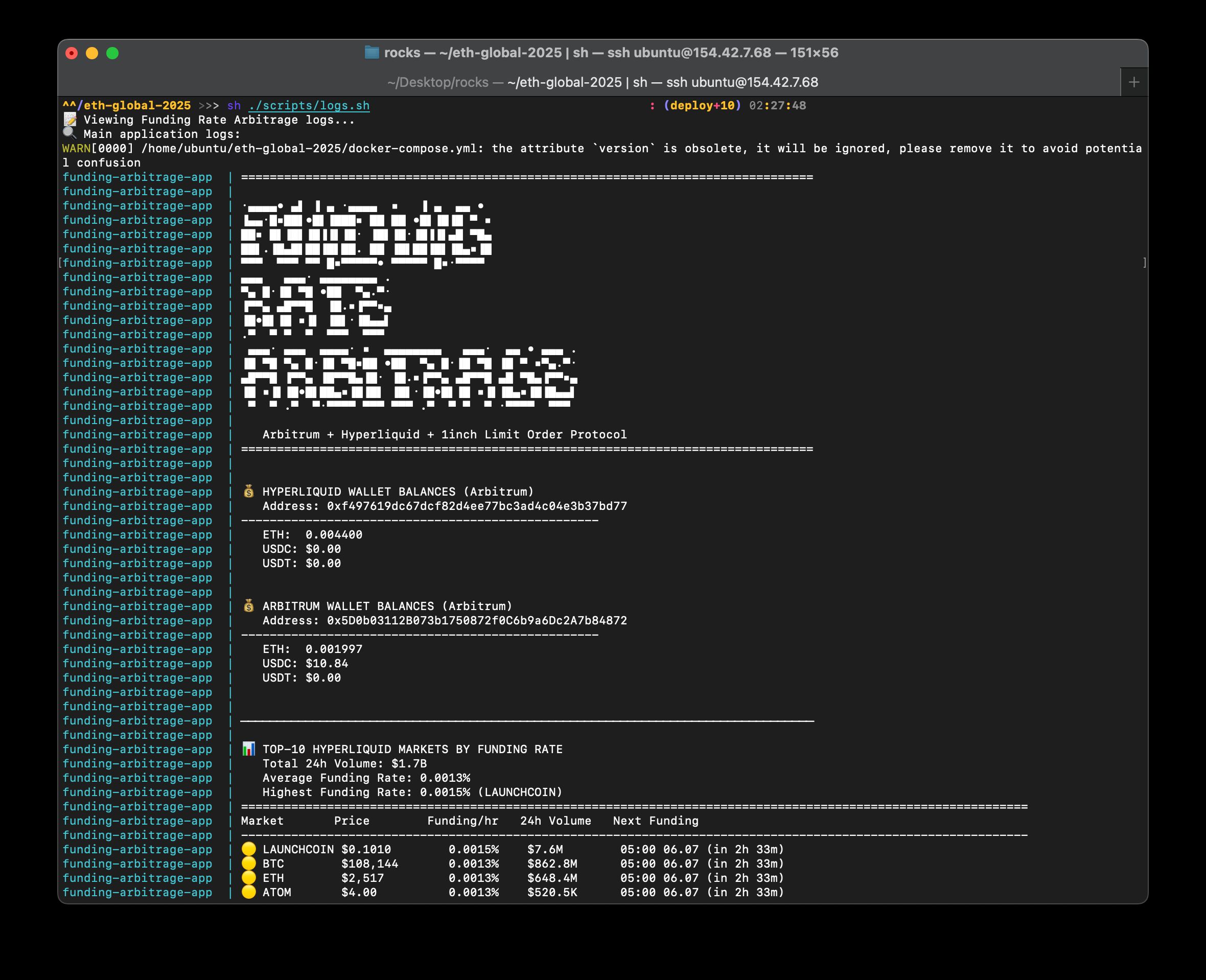
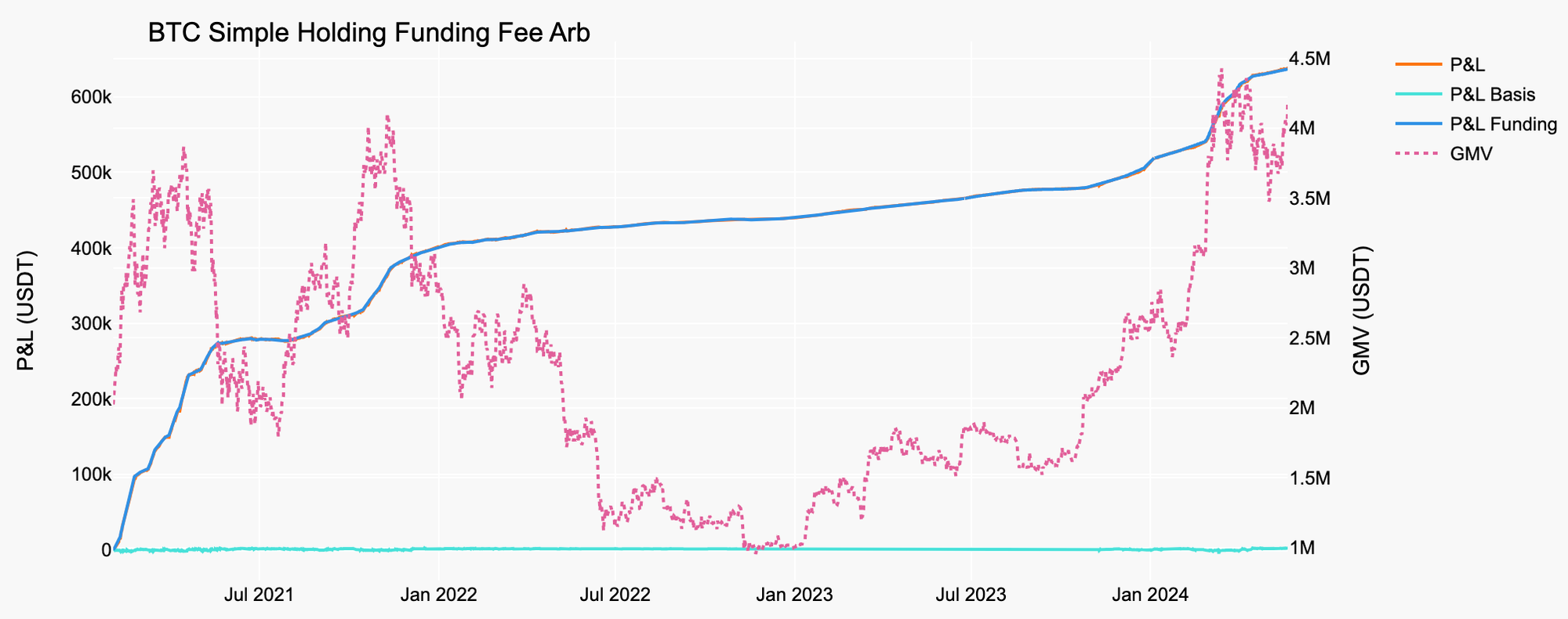
Funding rate arbitrage is often marketed as a risk-free yield source, but the infrastructure required to execute it at scale introduces significant friction. While the core concept—a delta-neutral strategy that captures periodic funding payments between long and short traders—is straightforward, the operational constraints can erode margins quickly src-serp-1.
The primary bottleneck is liquidity depth. Large positions face slippage on both the spot and futures legs, making it difficult to maintain true delta neutrality. Additionally, exchange fees for opening and closing positions, combined with withdrawal limits on stablecoins, create a narrow window for profitability. For retail traders, these costs often outweigh the funding yield, turning a theoretical profit into a net loss.
Smart contract and counterparty risks cannot be ignored. When capital is locked across multiple exchanges or protocols, the attack surface expands. A single exchange halt or protocol exploit can trap funds during volatile market moves. Before deploying capital, you must audit the infrastructure's reliability, not just the yield calculation.
Funding arb choices that change the plan
Funding Arb works best as a clear sequence: define the constraint, compare the realistic options, test the tradeoff, and choose the path with the fewest hidden costs. That order keeps the advice usable instead of decorative. After each step, pause long enough to check whether the recommendation still fits the reader's actual situation. If it depends on perfect timing, unusual access, or a best-case budget, include a simpler fallback.
| Factor | What to check | Why it matters |
|---|---|---|
| Fit | Match the option to the primary use case. | A good deal still fails if it does not fit the job. |
| Condition | Verify age, wear, and service history. | Hidden condition issues erase upfront savings. |
| Cost | Compare purchase price with likely upkeep. | The cheapest option is not always the lowest-cost option. |
Choose the next step
Funding Arb works best as a clear sequence: define the constraint, compare the realistic options, test the tradeoff, and choose the path with the fewest hidden costs. That order keeps the advice usable instead of decorative. After each step, pause long enough to check whether the recommendation still fits the reader's actual situation. If it depends on perfect timing, unusual access, or a best-case budget, include a simpler fallback.
Watch Out for Weak Funding Arbitrage Options
Most retail funding rate arbitrage guides promise delta-neutral yield, but the reality is often quite different. The market infrastructure has shifted, and strategies that worked in 2023 may now expose you to hidden risks or negligible returns. Before committing capital, you need to separate viable opportunities from misleading claims that ignore current market dynamics.
The "Guaranteed Yield" Trap
Many platforms advertise fixed, high yields for simple long-short positions. This is rarely delta-neutral. If the spread between the funding rate and borrowing costs isn't wider than the spread's volatility, you are taking directional risk, not arbitrage risk. A small move against your hedge can wipe out months of funding payments. Always calculate the break-even volatility before entering.
Hidden Fees and Slippage
Funding payments are periodic, but trading costs are immediate. High-frequency rebalancing to maintain neutrality can erode profits through trading fees and slippage, especially in less liquid pairs. If a strategy doesn't explicitly account for maker/taker fees and bid-ask spreads in its projected APY, the numbers are likely inflated. Check the exchange's fee schedule carefully.
Smart Contract and Counterparty Risk
DeFi funding arbitrage introduces smart contract risk that centralized exchanges do not have. If you are using a protocol to automate the hedge, review the audit history and total value locked. A single exploit can drain the entire position. For CEX strategies, ensure the platform has a strong track record of honoring funding payments, even during extreme market stress.
No comments yet. Be the first to share your thoughts!