Infrastructure Constraints in Funding Arb
Funding rate arbitrage is often marketed as a frictionless yield source, but the reality is a series of mechanical constraints that limit scalability. While academic studies note that top-tier strategies can generate substantial returns, such as the Drift XRP strategy achieving 115.9% over six months with 7x leverage, these figures mask the infrastructure friction required to sustain them.
The primary constraint is capital efficiency at scale. As you increase notional value to boost absolute yield, exchange liquidity pools thin out, causing slippage on the entry and exit of perpetual positions. This is not a theoretical risk; it is a daily operational reality. The strategy relies on collecting funding rate differentials, not directional price movement, meaning any friction in execution directly erodes the delta-neutral advantage.
Second, counterparty risk introduces hidden costs. The profit comes from the funding rate differential, but if a centralized exchange delays payments or faces insolvency, the yield vanishes. This is why many sophisticated traders are shifting toward decentralized infrastructure or multi-exchange routing to mitigate single-point failures. The infrastructure must be robust enough to handle rapid rebalancing without incurring prohibitive transaction fees.
Finally, regulatory uncertainty adds a layer of operational complexity. Changes in funding policies, such as those seen in various infrastructure bills or political shifts, can alter the availability of capital or the liquidity of certain assets. Traders must monitor these macro signals closely, as they can impact the availability of the underlying collateral needed to maintain short positions. The "infrastructure" here is not just code, but compliance and liquidity access.
Funding arb infrastructure choices that change the plan
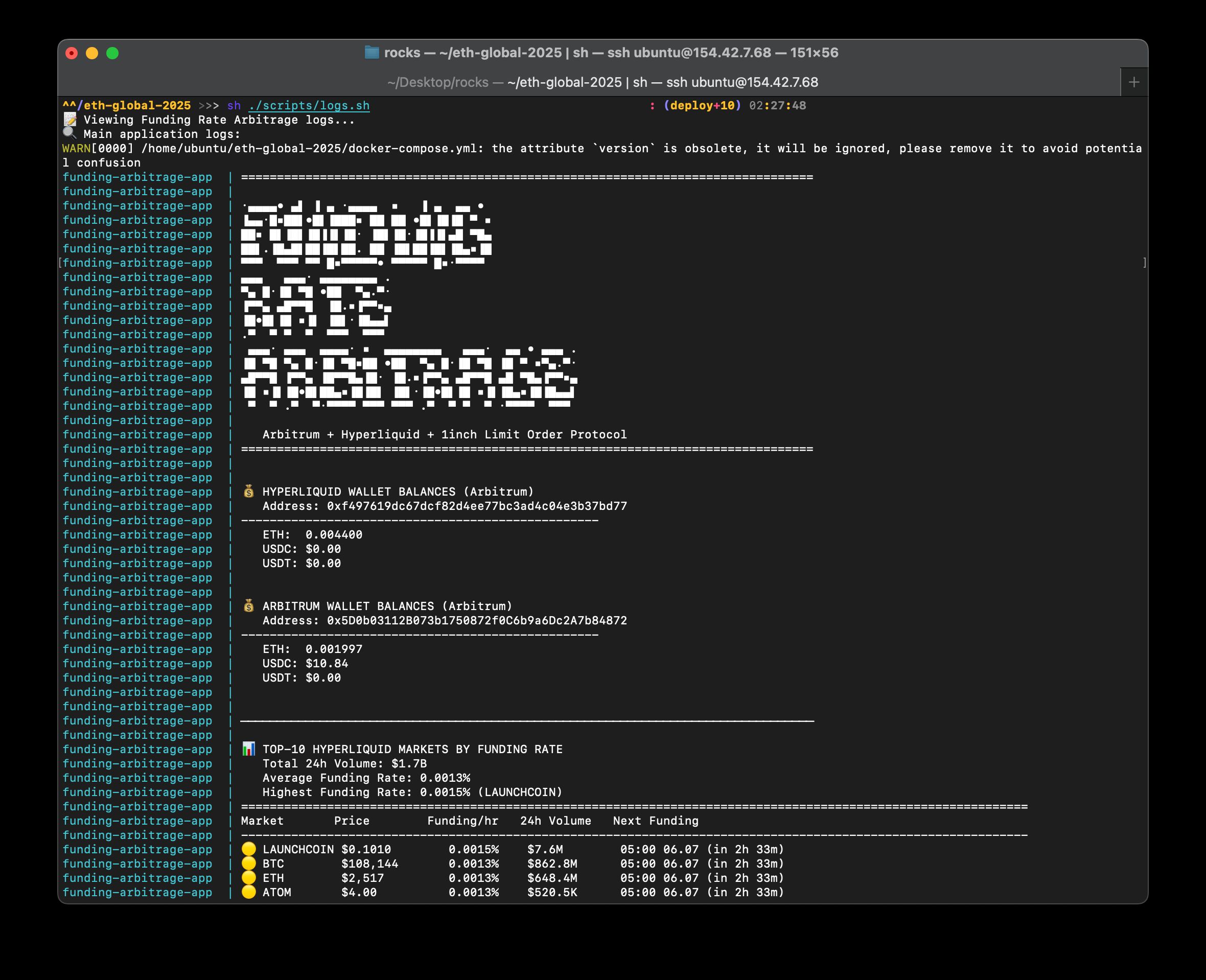
Building a reliable funding rate arbitrage system requires more than just capital; it demands a robust technological backbone. The "infrastructure" here refers to the software, data feeds, and execution logic that allow you to capture funding payments without being undercut by latency or technical failure. If your system is slow, the spread disappears before you can trade it.
Data Latency and Feed Reliability
Funding rates are not static; they fluctuate based on market sentiment and open interest. To identify profitable opportunities, you need real-time data from multiple exchanges. A slight delay in receiving this data can mean missing the entry point entirely. Relying on public APIs that throttle requests or have high latency is a common failure point. Professional setups often use WebSocket connections directly to exchange servers to minimize the time between market movement and your execution signal.
Execution Speed and Slippage
Even with perfect data, slow execution kills profitability. When you spot a favorable funding rate, you must open both a long spot position and a short perpetual futures position simultaneously. If these legs execute at different times or with significant price slippage, your delta-neutral hedge is compromised. Low-latency infrastructure ensures that both legs fill near the quoted price, preserving the arbitrage spread. This often requires co-located servers or direct market access (DMA) to bypass standard retail bottlenecks.
Counterparty and Exchange Risk
Your infrastructure must also account for operational risk. Not all exchanges handle funding settlements with equal reliability. Some have a history of delayed payments, unexpected liquidations, or even insolvency. A robust system monitors exchange health and diversifies across multiple reputable platforms. Additionally, understanding the specific settlement timing of each exchange is critical, as mismatched settlement windows can expose you to temporary directional risk.
Cost of Capital and Fees
Finally, your infrastructure must accurately model transaction costs. Trading fees, withdrawal fees, and network gas fees can erode the thin margins of funding arbitrage. A sophisticated system calculates the net yield after all costs, including the cost of borrowing capital if you are using leverage. Without precise fee modeling, a strategy that looks profitable on paper may result in a net loss after execution.
Choose the next step
Funding Arb works best as a clear sequence: define the constraint, compare the realistic options, test the tradeoff, and choose the path with the fewest hidden costs. That order keeps the advice usable instead of decorative. After each step, pause long enough to check whether the recommendation still fits the reader's actual situation. If it depends on perfect timing, unusual access, or a best-case budget, include a simpler fallback.
Watchouts for Weak Funding Arbitrage Options
Funding rate arbitrage sounds like a risk-free yield, but the reality is more nuanced. While delta-neutral strategies can generate steady income, several common setups hide significant risks or rely on misleading assumptions. Identifying these weak options early protects your capital from hidden fees, platform insolvency, or sudden funding rate reversals.
Ignoring the Real Cost of Borrowing
Many strategies assume that the funding rate alone drives profit. This ignores the borrowing costs if you need to leverage your position. For example, a strategy showing a 10% annualized yield might actually lose money after accounting for a 6% borrowing fee and trading fees. Always calculate the net yield after all costs, not just the gross funding payment.
Overleveraging Without Stress Testing
Some platforms advertise high returns using 10x or 20x leverage. While leverage amplifies gains, it also amplifies liquidation risks. A sudden spike in funding rates or a brief price movement can trigger a liquidation event, wiping out your entire position. Only use leverage levels that you can comfortably afford to lose, and always stress-test your positions against historical volatility spikes.
Relying on Unverified Platform Solvency
Not all platforms offering funding rate arbitrage are equally secure. Some smaller exchanges may have insufficient liquidity or questionable solvency records. Always verify the platform’s reserve proofs, regulatory status, and historical reliability. Avoid platforms that promise unusually high yields without transparent risk management practices.
Chasing Short-Term Rate Spikes
Funding rates can spike during periods of extreme market sentiment, but these spikes are often short-lived. Chasing high rates can lead to buying at the peak and selling at the bottom. Instead, focus on consistent, moderate funding rates over longer periods. This approach reduces the risk of entering positions at unfavorable times and provides more predictable returns.
Funding arb infrastructure: what to check next
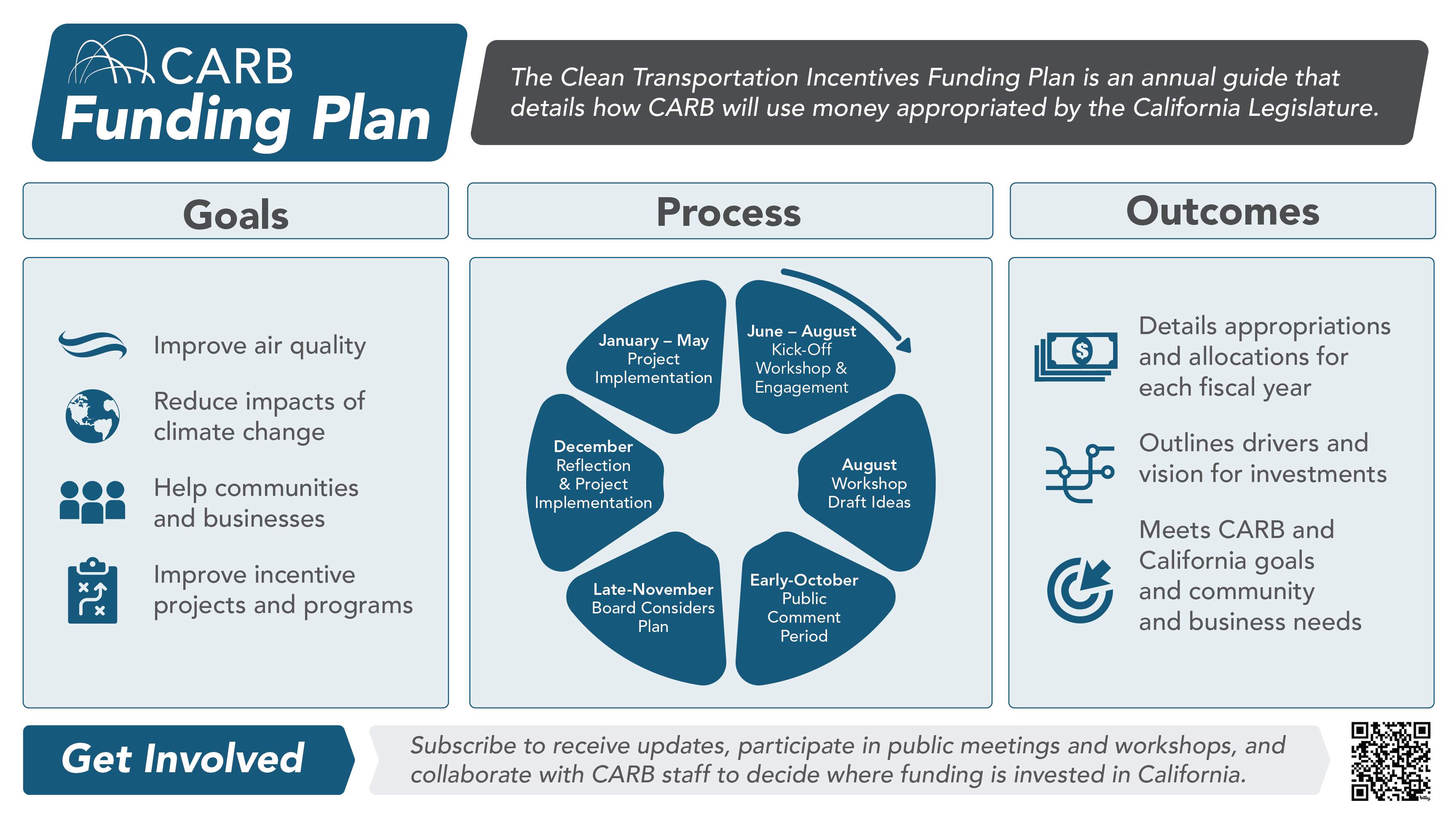
The term "funding" in this context can refer to two distinct arenas: public infrastructure grants and cryptocurrency derivatives. Clarifying which mechanism you are analyzing is the first step in assessing risk and opportunity.
How does funding rate arbitrage work?
Funding rate arbitrage is a delta-neutral strategy where you simultaneously hold a long spot position and a short perpetual futures position of equal notional value. This setup eliminates directional price risk. The profit comes from the funding rate differential paid between traders every eight hours, not from price movement. Success depends on selecting pairs with consistently positive funding rates and managing liquidation risks.
Is funding rate arbitrage profitable?
Yes, but returns vary significantly by market conditions and leverage. Recent studies show that optimized strategies, such as those using 7x leverage on volatile assets like XRP, can generate substantial returns of up to 115.9% over six months while limiting maximum drawdowns to 1.92%. However, these figures represent peak performance; sustained profitability requires low-latency execution to capture rate spikes before they normalize.
What projects are being funded by the infrastructure bill?
Public infrastructure bills typically direct capital toward physical assets like bridges, broadband networks, and clean energy grids. For example, the Carl Moyer Program alone has granted nearly $1 billion to equipment owners, providing over $60 million annually to upgrade heavy-duty vehicles for cleaner emissions. These funds target tangible improvements rather than financial derivatives.
Did Trump stop funding for infrastructure?
While political administrations shift priorities, infrastructure funding mechanisms generally persist through existing contracts and legislative mandates. Policy changes may alter the pace of new approvals or shift focus between sectors, but complete cessation of funding is rare. Investors should monitor specific agency announcements rather than assuming broad funding halts based on political rhetoric.
Helpful gear
Use these product recommendations as a starting point, then choose the size, material, and price point that fit how you actually use the gear.


As an Amazon Associate, we may earn from qualifying purchases.
No comments yet. Be the first to share your thoughts!