How funding rate arb works now
Funding rate arbitrage is a delta-neutral strategy designed to capture the spread between spot and perpetual futures prices. In this setup, you buy the underlying asset on the spot market while simultaneously opening an equal and opposite short position on the perpetual futures exchange. This pairing locks in your market exposure, meaning your portfolio value remains stable regardless of whether the price of Bitcoin or Ethereum moves up or down.
The profit comes from the funding payments exchanged between long and short traders every eight hours. When the funding rate is positive, it indicates that the futures price is trading at a premium to the spot price. In this scenario, short sellers receive payments from long buyers. By holding a short futures position, your arbitrageur collects these recurring cash flows. Conversely, if the rate is negative, you would pay the funding fee, which is why traders carefully select assets with consistently positive rates.
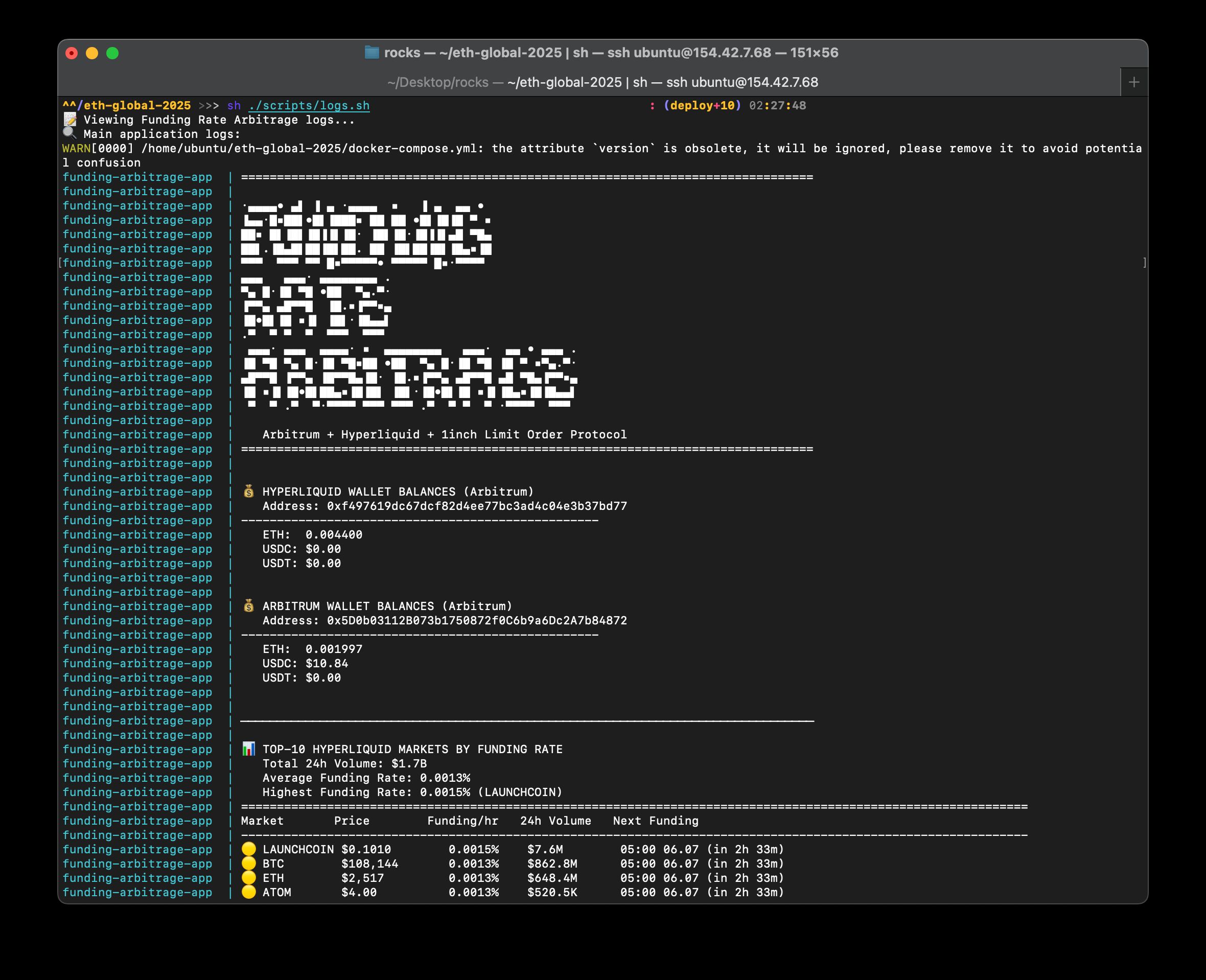
The viability of this strategy hinges on the infrastructure that facilitates these trades. Modern exchanges and data providers offer the real-time visibility needed to identify profitable spreads and manage risk. Without robust data, distinguishing between a temporary anomaly and a sustainable yield opportunity becomes nearly impossible. The core mechanism remains simple: isolate the basis, hedge the direction, and collect the spread.
This approach transforms market volatility from a risk into a neutral factor. Your primary concern shifts from price direction to the stability of the funding rate and the liquidity of the markets you are trading. As new infrastructure emerges, the ability to execute these trades efficiently and at scale continues to improve, making the spread more accessible to a broader range of participants.
Exchange infrastructure and latency
Funding rate arbitrage relies on the gap between where an asset trades and how its financing is settled. This gap exists because centralized exchanges (CEXs) and decentralized exchanges (DEXs) operate on fundamentally different infrastructures. Understanding these structural differences is the first step in identifying viable arb opportunities.
On centralized platforms like Binance or Bybit, funding rates are calculated based on a premium index derived from spot and futures prices. Settlement is fast, typically occurring every eight hours, and counterparty risk is limited to the exchange itself. If the exchange is solvent, the payment is guaranteed. However, this convenience comes with a single point of failure. If the CEX halts withdrawals or experiences technical issues during high volatility, your arbitrage position can become trapped, locking up capital when you need it most.
Decentralized exchanges offer a different risk profile. Settlement happens on-chain, meaning there is no central entity to blame for delays or insolvency. However, the infrastructure introduces new complexities. Smart contract risk, gas fee volatility, and slower block times can erode profits or delay settlements beyond the funding interval. Additionally, liquidity on DEXs is often fragmented, making it harder to execute large positions without significant slippage.
The table below compares the core infrastructure metrics that drive these opportunities.
| Metric | CEX (e.g., Binance) | DEX (e.g., Uniswap) |
|---|---|---|
| Settlement Time | Every 8 hours (automated) | On-chain (block-dependent) |
| Counterparty Risk | Exchange insolvency | Smart contract exploit |
| Liquidity Depth | High (aggregated order books) | Variable (pool-based) |
| Fee Structure | Maker/taker trading fees | Gas + protocol fees |
| Execution Speed | Milliseconds | Seconds to minutes |
Latency is the silent killer of funding arb. A delay of even a few seconds in rebalancing your hedge can turn a profitable trade into a loss if the spot price moves against you. CEXs generally offer lower latency due to their centralized matching engines. DEXs require you to wait for block confirmations, which can be unpredictable during network congestion.
When choosing your infrastructure, prioritize reliability over minor fee differences. A slightly higher fee on a CEX may be worth it if it ensures your hedge executes instantly. Conversely, if you are comfortable managing smart contract risk, DEXs can offer unique opportunities where CEX funding rates are stagnant. Always test your infrastructure with small positions before scaling up.
Calculate true net yield after fees
Theoretical APY figures from funding scanners often look like free money. In practice, trading fees, slippage, and maintenance costs eat a significant chunk of those returns. If you don't account for the full cost of carry, your "delta-neutral" strategy might just be a slow way to lose capital.
To find the real number, you need to strip away the noise and look at what actually lands in your wallet. We'll walk through the exact steps to calculate your net yield, ensuring you aren't chasing phantom profits.
Start by finding the annualized funding rate for your chosen asset. Most scanners display this as a percentage per 8-hour interval. Multiply this by 3 (for 24 hours) and then by 365 to get the gross annual percentage yield. This is your starting baseline before any costs are applied.
Every time you open and close your positions—spot and futures—you pay a fee. These are usually maker or taker fees ranging from 0.02% to 0.1% per trade. Since you must hedge your position immediately, you incur these costs twice. Multiply your total round-trip fee by the number of times you expect to rebalance or roll positions in a year.
Slippage occurs when your order size moves the market price against you, especially in less liquid altcoins. The spread between the bid and ask prices is a hidden cost you pay instantly. For high-volume positions, this can easily add 0.05% to 0.1% per trade. Estimate this based on the order book depth of your specific token.

Funding payments are not always instantaneous or perfectly aligned with your position entry. If you enter a position mid-interval, you might receive a prorated amount or miss a cycle entirely. Additionally, some exchanges delay payments or have different settlement times. Adjust your gross yield downward by a small buffer (e.g., 5-10%) to account for these timing mismatches.
Subtract the total estimated costs (trading fees + slippage + timing buffer) from your gross annualized yield. The result is your true net APY. If this number is less than your risk-free rate or your desired threshold, the trade may not be worth the operational complexity and counterparty risk.
A common mistake is ignoring the cost of borrowing the underlying asset if you are using a cross-margin account. If you need to borrow funds to leverage your spot position, the interest rate on that loan directly reduces your net yield. Always include borrowing costs in your final calculation to get a realistic picture of profitability.
The specific risks in delta-neutral setups
Delta-neutral strategies sound safe on paper, but they carry hidden structural risks that can wipe out positions overnight. While the goal is to hedge market exposure, you are still exposed to the mechanics of the platforms you use and the behavior of the broader market.
Liquidation cascades
Even with perfect hedging, price spikes can trigger liquidations if your margin is insufficient or if the hedge lags. In crypto, funding rates can flip rapidly, turning a profitable trade into a loss. A sudden market move can force you to close positions at unfavorable prices, especially if liquidity dries up during volatile periods.
Exchange solvency issues
Your capital is only as safe as the exchange holding it. History is filled with examples of exchanges failing to honor withdrawals or having insufficient reserves. Always verify the exchange’s proof of reserves and insurance fund size. Never allocate more capital to a single platform than you can afford to lose entirely.
Smart contract vulnerabilities
If your strategy involves DeFi protocols or automated bots, smart contract risk becomes real. Bugs or exploits in the code can lead to total loss of funds. Even if your core hedge is on a centralized exchange, any DeFi component introduces a vector for failure. Audit reports are not guarantees; they are snapshots of code at a specific time.
Funding rate volatility
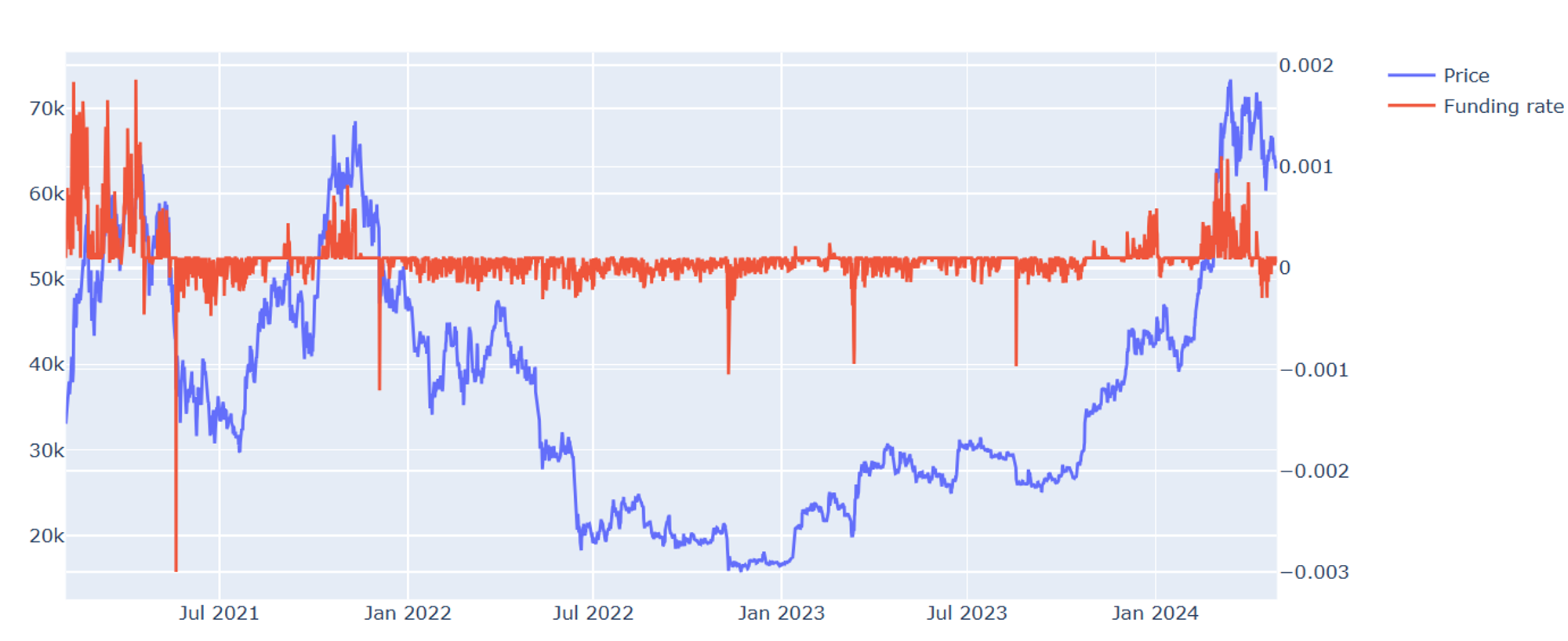
Funding rates are not static. They can spike or reverse suddenly, eroding your profit margin or even turning it negative. This risk is amplified during high volatility or when market sentiment shifts. Always model your position under worst-case funding scenarios, not just the current rate.
Counterparty risk
In traditional finance, clearinghouses mitigate counterparty risk. In crypto, this is less standardized. If your exchange partner defaults, your hedge may become worthless. Diversifying across multiple reputable exchanges can help, but it also increases operational complexity and fees.
Regulatory and legal risks
Regulatory changes can impact funding rates, exchange operations, or your ability to withdraw funds. Jurisdictions may impose restrictions on derivatives trading or stablecoin usage. Stay informed about regulatory developments in the regions where your exchanges operate.
Execution checklist for traders
Running a funding arb trade is less about guessing direction and more about managing the mechanics of two simultaneous positions. You are betting on the spread between spot and perpetual prices, not the asset itself. To keep that spread profitable, you need a disciplined routine that catches high rates early and exits before they flip.
This checklist breaks the process into five concrete steps. Treat each one as a non-negotiable gate before moving capital.
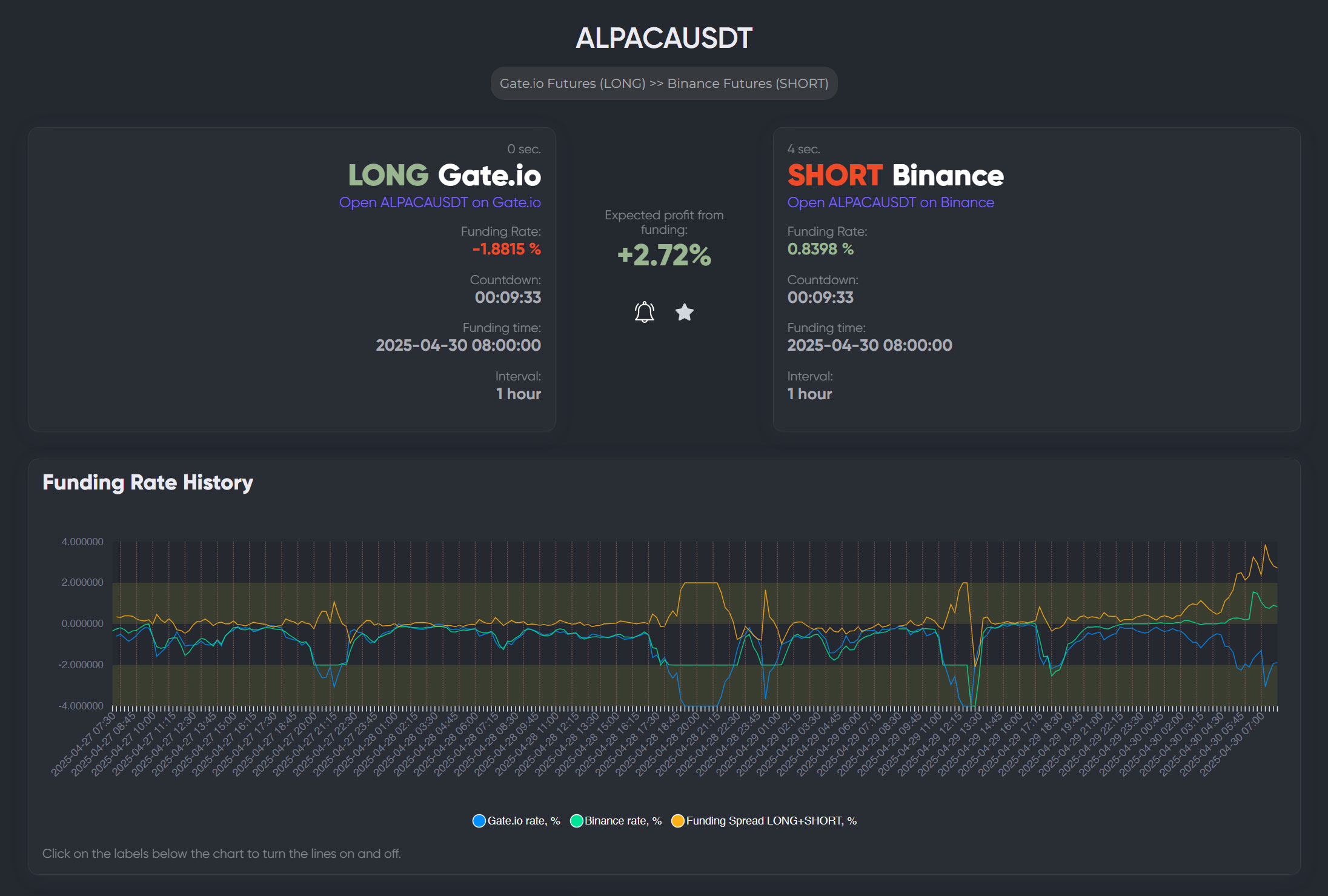
Don’t chase rates that spike for a single hour. Look for tokens with positive funding rates that have held steady for at least 24–48 hours. Use a scanner or exchange dashboard to filter for these outliers. A persistent rate suggests sustained long interest, which is your source of income.
Gross rate is misleading. Deduct exchange fees for opening and closing both spot and perp legs, plus the funding fee itself if it’s negative in other periods. If the net annualized yield doesn’t clear your minimum threshold (usually 10–15% after costs), skip the trade. Low-margin trades get eaten by slippage.
Open your positions simultaneously to avoid exposure to price swings. Buy the spot asset and short the same amount in the perpetual market. Most professional traders use API bots or exchange tools that bundle these orders. If you can’t execute both legs within minutes, the spread may have already narrowed.
Set alerts for sudden drops in the funding rate. If the rate turns negative, you start paying longs instead of receiving payments. This is the primary risk in delta-neutral arbitrage. A flip often signals that the market sentiment has shifted, and your edge is disappearing.
Close both legs when the rate drops below your threshold or when the basis converges to zero. Withdraw your profits and compound them into the next opportunity. Don’t leave capital idle in a low-yield position hoping for a spike that may never come.
common questions about funding arbitrage
Funding rate arbitrage involves borrowing capital at a low interest rate and investing it in an asset that generates higher returns through funding fees [3]. This straightforward concept relies on identifying tokens with sustained positive funding rates [1].
how to execute funding rate arbitrage
To execute this strategy, you must research assets to find tokens with high funding rates that persist over time. Proper investment sizing is essential to reduce trading risks and ensure the strategy remains viable. [2]
what are the main risks?
While the mechanics are simple, market volatility and sudden shifts in funding rates can erode profits. Robust data is key to navigating these subtleties and executing the strategy tactically [1].
No comments yet. Be the first to share your thoughts!