How funding rate arbitrage works
Funding rate arbitrage is a straightforward concept: borrow capital at a low interest rate and invest that money where it generates higher returns. In crypto, the "higher return" comes from the funding payments exchanged between long and short traders on perpetual swap markets. The goal is to capture this spread while keeping your portfolio delta neutral, meaning your profit doesn't depend on whether the asset price goes up or down.
Perpetual swaps don't expire like traditional futures. To keep the contract price tethered to the spot price, exchanges use a funding rate mechanism. When the funding rate is positive, long traders pay short traders. When it's negative, short traders pay longs. This payment happens at regular intervals, typically every 8 hours, providing a steady stream of yield if structured correctly.
A classic funding arb strategy involves taking opposite positions on two exchanges. For example, you might go long on Exchange A where the funding rate is positive, and short the same asset on Exchange B where the rate is negative. If done correctly, you collect payments from one side while paying the other, aiming for a net positive spread. This approach isolates the funding yield from market volatility.
The mechanics rely on the assumption that funding rates will remain stable or favorable over the holding period. However, this isn't risk-free. If market sentiment shifts dramatically, funding rates can flip, turning a profitable trade into a loss. Additionally, extreme price movements can trigger liquidations if leverage isn't managed carefully. Understanding these mechanics is the first step in building a sustainable funding arb guide for 2026.
2026 infrastructure shifts
The plumbing behind crypto derivatives has changed faster than the market can adapt. In 2026, the gap between theoretical yield and actual profit is no longer defined by funding rates alone—it’s defined by latency, clearing architecture, and API reliability. If your funding arb guide doesn’t account for these infrastructure shifts, you’re leaving money on the table or, worse, exposing yourself to execution risk.
Exchanges are racing to reduce latency. Binance and Hyperliquid have both upgraded their matching engines, cutting order-to-fill times to single-digit milliseconds. For a funding arb strategy, this matters. A slow API can mean missing the optimal entry point or failing to hedge quickly enough when prices spike. Hyperliquid’s new engine, for example, processes orders in a way that prioritizes speed over traditional order book depth, which can lead to slippage during high-volatility periods.
Clearinghouses are also evolving. Many platforms now offer real-time margin calculations and automated liquidation safeguards. This reduces the risk of a cascade liquidation—a scenario where a sudden price move forces multiple traders to close positions simultaneously. However, these systems aren’t perfect. If your funding arb setup relies on cross-exchange arbitrage, you must ensure both sides of your trade are synchronized. A delay in one exchange’s settlement can leave you unhedged.
API updates are another critical factor. Many exchanges have introduced rate limits that restrict how frequently you can query funding rates or place orders. If your strategy depends on high-frequency adjustments, you may need to upgrade to a premium API tier or use a third-party data aggregator. Without this, you might find yourself waiting on rate limits while the market moves on.
The bottom line? Infrastructure isn’t just background noise—it’s a core component of your funding arb guide. Track exchange upgrades, monitor API limits, and test your execution speed regularly. In 2026, the best-funded traders are those who treat infrastructure as a competitive advantage, not an afterthought.
Cross-Exchange vs. Single-Exchange Execution
When building a Funding Arb guide, the first decision is where your capital actually sits. The two main paths are cross-exchange arbitrage and single-exchange delta-neutral staking. Each has distinct trade-offs in complexity, capital efficiency, and counterparty risk.
Cross-exchange arbitrage involves holding positions on two different platforms. You might buy spot on one exchange while shorting perpetual futures on another. This approach often yields higher returns because you can exploit differences in funding rates between platforms. However, it introduces transfer risks and requires managing two sets of credentials and fees.
Single-exchange delta-neutral staking keeps everything on one platform. You buy spot and short futures simultaneously on the same exchange to capture the funding rate. This method is simpler to execute and eliminates transfer fees. The downside is that you are limited to the funding rates available on that specific platform, which may be lower than the spread between two exchanges.
The table below breaks down the key differences to help you decide which method fits your strategy.
| Metric | Cross-Exchange | Single-Exchange |
|---|---|---|
| Complexity | High | Low |
| Capital Efficiency | Medium | High |
| Counterparty Risk | Two platforms | One platform |
| Transfer Fees | Yes | No |
| Rate Potential | Higher spread | Limited |
For most beginners, starting with single-exchange execution reduces operational headaches. As you become more comfortable with the mechanics, you can explore cross-exchange strategies to capture wider funding rate differentials. Always remember that funding rates change frequently, so real-time monitoring is essential.
Risk management and liquidation
Even a delta-neutral funding arb guide must address the fact that "neutral" is a theoretical state, not a guaranteed shield. Your positions are exposed to real-world friction, and the primary threat is liquidation during extreme volatility. When crypto markets spike, the spot and futures legs of your trade can move at different speeds or magnitudes. If your short futures position loses value faster than your spot asset appreciates, your margin ratio drops. Without strict risk controls, a sudden market wick can trigger a cascade, wiping out months of funding fee income in minutes.
Basis risk is the second silent killer. This occurs when the spread between the spot price and the futures price moves against you. While you collect positive funding rates, the underlying basis can widen negatively. If the futures contract trades at a steep discount to spot (backwardation) and you are shorting, you might find yourself buying back the futures at a loss that exceeds your accumulated funding income. This risk is particularly acute in altcoins with lower liquidity, where price discovery is slower and spreads are wider.
Exchange solvency concerns cannot be ignored. Funding arb often requires holding assets across multiple platforms to capture the best rates. If one exchange faces liquidity issues or regulatory action, your funds could be frozen. This is not just a hypothetical risk; history shows that even major platforms can experience outages or insolvency events. Diversifying your exposure across reputable, audited exchanges and keeping positions within insured limits is a basic but essential mitigation strategy.
To manage these risks, use stop-losses on your futures legs, monitor basis spreads closely, and avoid over-leveraging. Remember, the goal of a funding arb guide is sustainable yield, not gambling on market direction. Always prioritize capital preservation over chasing the highest possible funding rate.
Tools and data requirements
Funding arb relies on speed and precision. To execute this strategy effectively, you need a stack that prioritizes real-time data and low-latency execution. Without these, the spread disappears before you can act.
Start with a reliable data aggregator like Amberdata to track funding rates across major exchanges. Their guides highlight how critical accurate, timely data is for identifying profitable imbalances. You also need direct API access to your chosen exchanges for instant order placement. Delays in execution can turn a theoretical gain into a loss.
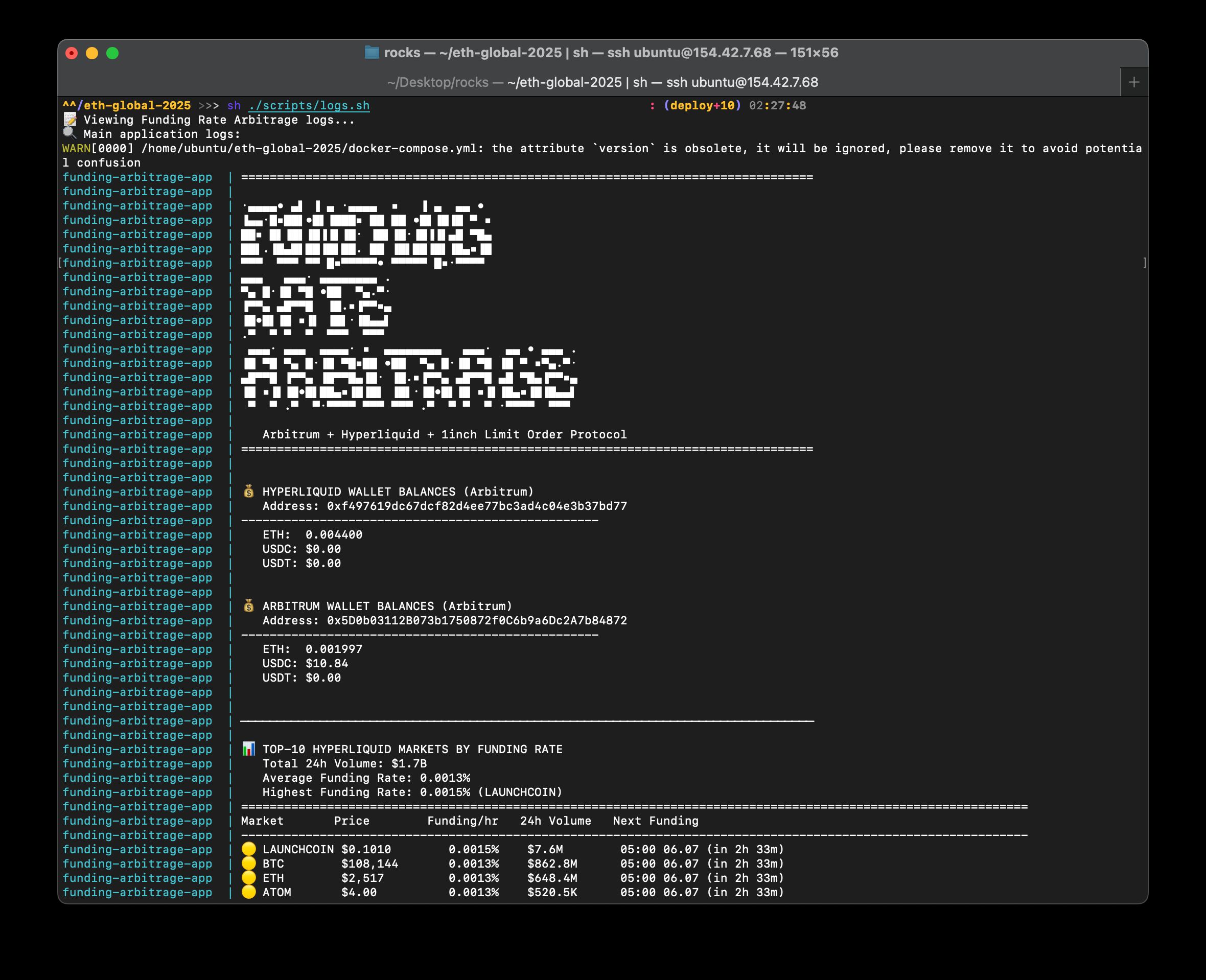
For market context, live price widgets provide the necessary background on asset volatility. Use a PriceWidget for BTC or ETH to monitor the underlying asset's movement while you manage your hedge. This helps you anticipate liquidation risks or sudden shifts in funding direction. Keep your tools simple, focused, and always up-to-date.
Funding Arb Guide: Common Questions on Profitability and Execution
Funding rate arbitrage offers a way to capture yield, but it requires understanding the mechanics and risks involved. Here are answers to the most common questions about executing a funding arb strategy.
Helpful gear
Use these product recommendations as a starting point, then choose the size, material, and price point that fit how you actually use the gear.

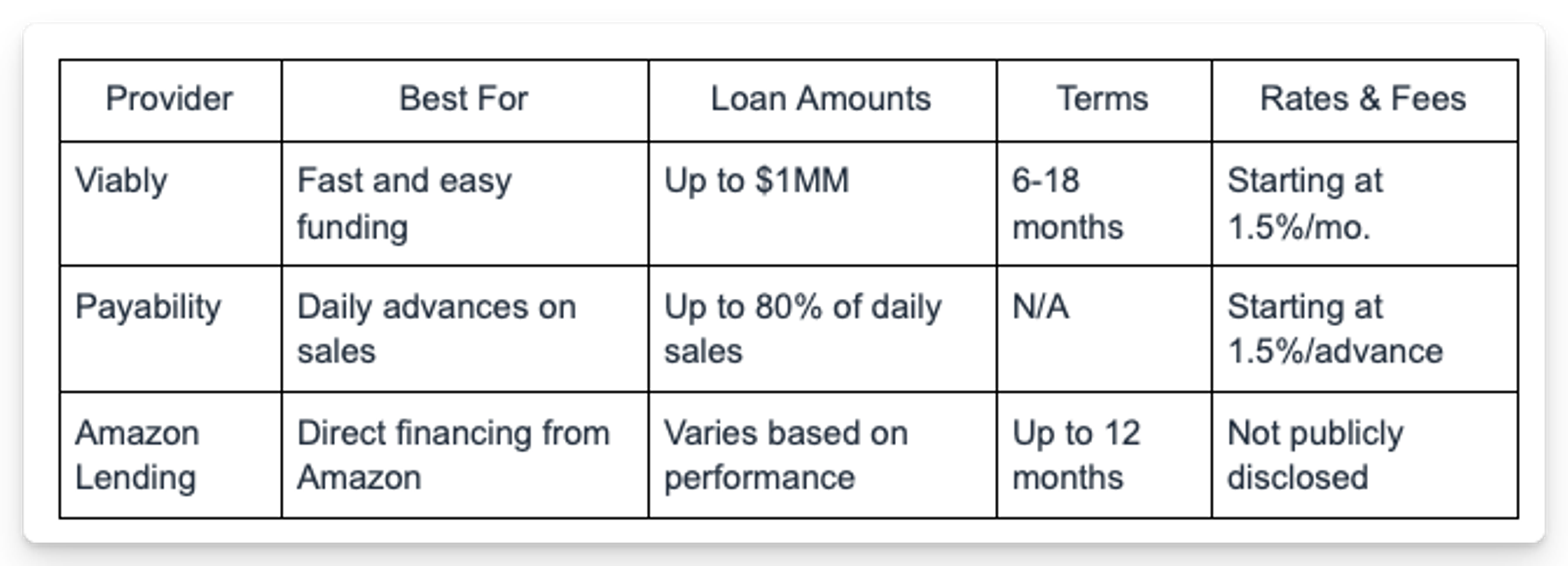
As an Amazon Associate, we may earn from qualifying purchases.
No comments yet. Be the first to share your thoughts!